
Where safety is non-negotiable, the significance of a gas safety inspection stands as a silent guardian within every residential, commercial, and industrial space. This comprehensive evaluation is not only a regulatory necessity but an act of care protecting lives, property, and peace of mind. Let’s explore the world of gas safety with clarity, creativity, and insight.
What Is a Gas Safety Inspection?
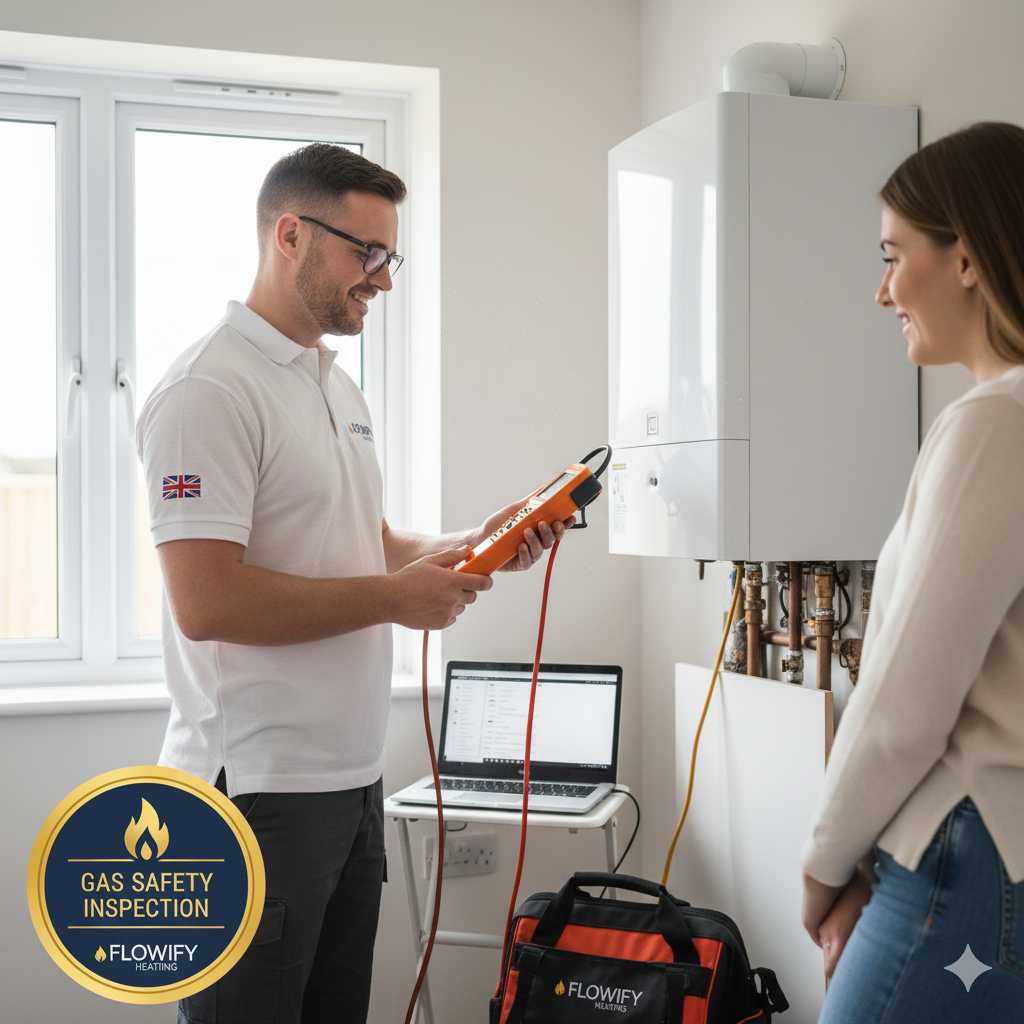
A gas safety inspection is a meticulous process that examines all gas-powered systems and appliances, ensuring they operate securely and efficiently. This essential check can reveal hidden risks, from leaks to faulty installations, setting the foundation for a secure environment.
Why Regular Gas Safety Inspections Are Crucial
Every property with gas infrastructure be it a family home, bustling café, or industrial plant requires vigilance. Neglecting timely checks can lead to hazards, including undetected leaks, fire risks, and even health emergencies. Relying on a valid gas safety cert is not just about compliance; it’s about responsibility.
What Does a Typical Gas Safety Check Involve?
- System Assessment: All pipelines, valves, and connections are evaluated for signs of wear or corrosion.
- Appliance Testing: Each gas-powered device is examined for proper function and safe emissions.
- Leak Detection: Advanced technology such as a portable gas detector or MSA gas monitor is used to spot even the faintest leaks.
- Documentation: Successful completion leads to a gas certificate or, for businesses, a commercial gas safety certificate.
- Advice and Recommendations: Technicians share practical steps to maintain ongoing safety.
Five Essential Benefits of a Professional Inspection
- Prevention of Unexpected Hazards: Early detection minimises the risk of fire, explosion, or poisoning.
- Legal Peace of Mind: Holding valid gas safety certificates keeps property owners aligned with regulations.
- Optimised Appliance Efficiency: Inspections help appliances run smoothly, saving on gas consumption.
- Extended Equipment Life: Spotting issues early prevents costly breakdowns and replacements.
- Confidence and Comfort: Knowing your space is safe lets everyone breathe a little easier.
Types of Gas Safety Certificates
Not all certifications are the same. For residential spaces, a standard gas certificate proves compliance. Businesses require a commercial gas safety certificate to meet industry standards. In sectors combining both, an oil and gas certificate might be necessary, especially when multiple fuel sources are present.
The Role of Detection Devices in Safety
Modern inspections go beyond the naked eye. Specialised tools like a multi-gas detector swiftly identify the presence of harmful gases, while a portable gas detector offers mobility and convenience for spot checks. In high-risk environments, an MSA gas monitor provides continuous surveillance, ensuring immediate response to any irregularity.
Inspecting Compressed Gas Systems
Compressed gas cylinders and pipelines demand particular care. Regular checks focus on structural integrity, pressure regulation, and emergency shut-off systems. Technicians ensure that storage areas are ventilated, secure, and compliant with all safety standards.
Important Instructions for Property Owners
Understanding your responsibilities is as vital as the inspection itself. Here are two important instructions:
- Always schedule annual safety checks with qualified professionals, even if your appliances seem to work perfectly.
- Keep all gas safety certificates in a safe, accessible place for reference and compliance audits.
Staying proactive and organised is the simplest route to ongoing security.
Innovations in Gas Safety Technology
The evolution of detection technology has transformed inspections. With tools like the multi-gas detector and digital monitoring systems, technicians can now provide faster, more accurate results. These advancements help ensure that even the most subtle risks are caught before they escalate.
How to Prepare for Your Inspection
A smooth inspection begins with basic preparation:
- Clear access to all gas appliances and meters.
- Provide previous gas certificate records if available.
- Inform the inspector of any recent changes or concerns regarding your gas system.
These small steps facilitate a thorough, efficient process.
The value of a gas safety inspection lies in its silent promise: safety, efficiency, and peace of mind. By embracing regular checks, leveraging new technology, and following important instructions, every property owner can ensure that their environment is both secure and welcoming. The investment in safety is not just a regulation it’s a commitment to those who live and work within your walls.
Frequently Asked Questions
What is a gas safety cert?
A gas safety cert is official proof that your gas systems and appliances meet current safety standards after a professional inspection.
When is a commercial gas safety certificate needed?
This is required for all business premises using gas, ensuring compliance with legal and industry regulations.
How often should a gas safety check be performed?
Annual inspections are recommended to maintain optimal safety and compliance.
Are portable gas detectors reliable?
Yes, modern devices offer immediate and accurate detection, significantly reducing response times in emergencies.
What does a multi-gas detector do?
It simultaneously monitors for several gases, providing comprehensive safety in complex environments.